Treat, recycle and reuse wash water
A compact recycling system helps car washes reduce water consumption, stabilize operations and prepare for local environmental requirements.
1 m³/hour
Entry model for small and medium car washes.
3 m³/hour
Higher-capacity option for busy sites.
Turnkey delivery
Equipment, installation, commissioning and technical support.
Need a preliminary assessment?
Send the basic project information and we will prepare an initial technical review.
Car-Wash Wastewater Treatment Process
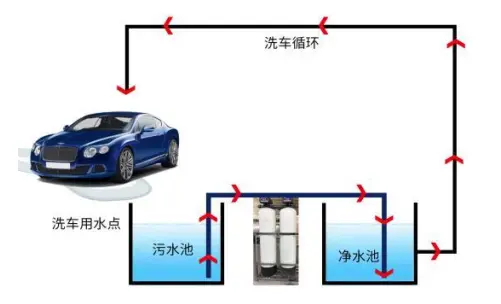
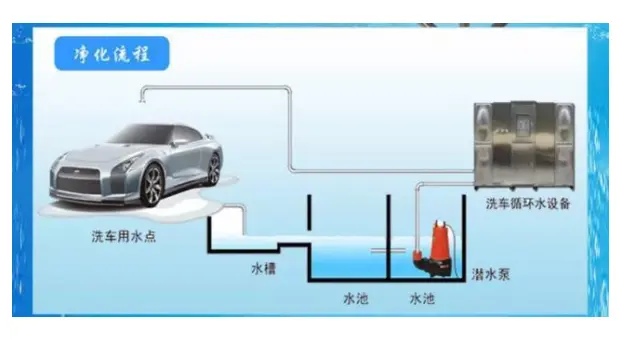
The multi-stage system treats car-wash wastewater and returns it to the recycling loop for reuse.
Overall Treatment Process
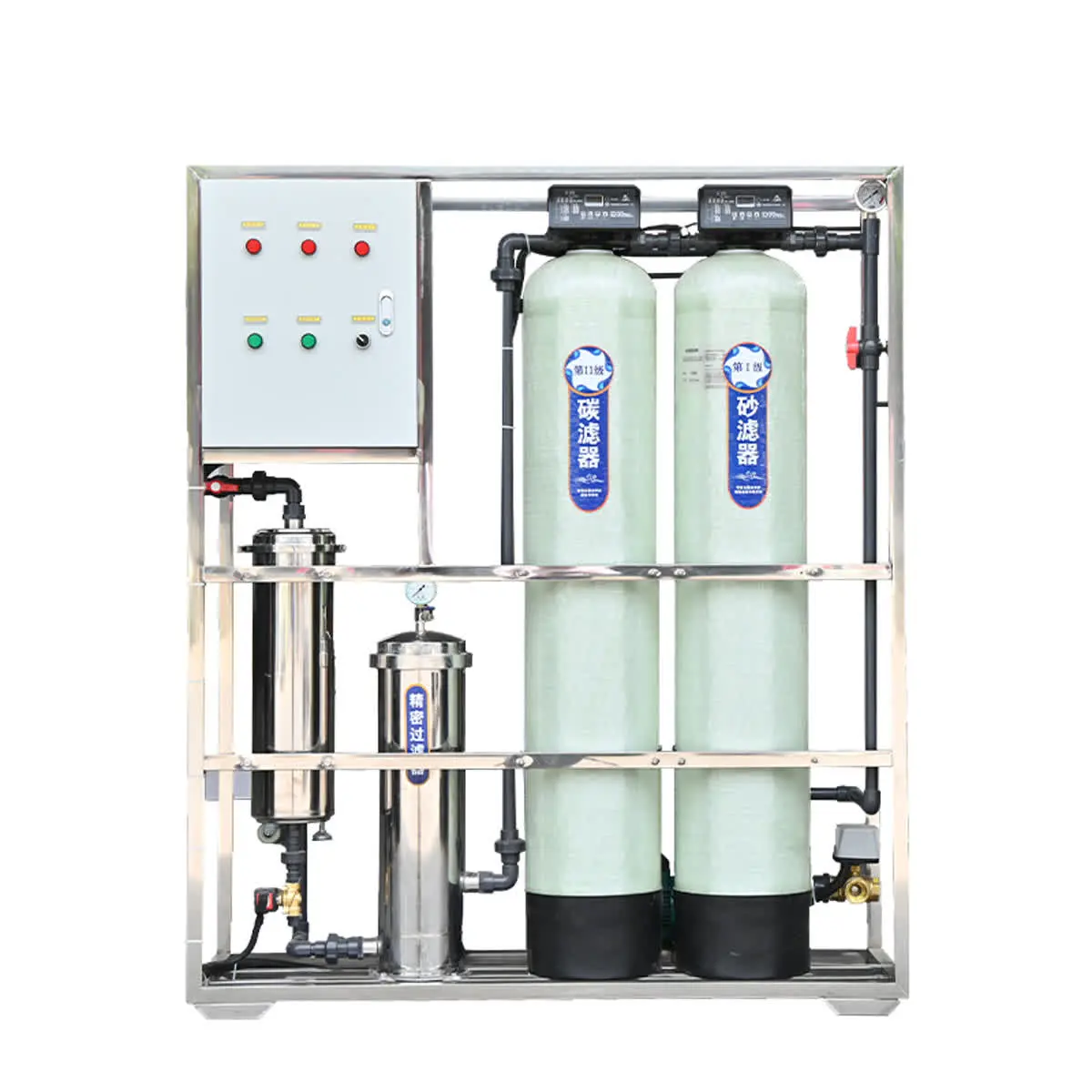


Functions of the Treatment Units
1. Three-Stage Concrete Settling Tank
Removes large sand and sludge particles, foam, hair, dirt and colloidal suspended matter by gravity settling. It reduces incoming-water turbidity and the load on downstream filters. Where necessary, a chemical dosing system can be installed to improve flocculation and settling of organic impurities.
2. Quartz Sand Filter
Captures fine sand and colloidal particles. The Runxin automatic valve regularly performs backwashing and sludge discharge to further reduce turbidity.
3. Activated Carbon Filter
Adsorbs surfactants and detergents, small amounts of petroleum products, colour and unpleasant odours, and removes a substantial portion of dissolved organic matter.
4. Fine Cartridge Filter
Five 20-inch, 5-micron polypropylene cartridges capture fine particles and protect the ultrafiltration membrane from scratching and blockage by solids.
5. Ultrafiltration Membrane
The 160 × 900 mm stainless-steel membrane removes colloids, fine suspended matter, bacteria and residual detergent particles. Solenoid valves and a programmable controller automate water production, backwashing and contaminant discharge.
6. Pipework and Control System
Chemical-resistant PVC-U/UPVC pipework and a stainless-steel electrical control frame provide stable, automated operation with limited routine manual intervention.
Treated-Water Indicators
| Indicator | Treated Water | Reuse Requirement | Result |
|---|---|---|---|
| Turbidity | ≤ 1 NTU | ≤ 5 NTU | Compliant |
| Suspended solids | ≤ 5 mg/L | ≤ 10 mg/L | Compliant |
Operation and Reuse
The treated water is clear and free of sand, pronounced foam and odour. It is suitable for reuse with vehicle shampoos, does not clog high-pressure spray guns and does not leave pronounced streaks or scale deposits on vehicle paintwork. Water stored in the clean-water tank should be used within three days while circulation is maintained.
For stable operation, sludge must be removed regularly from the three-stage settling tank, filter media and cartridges must be replaced when required, and the ultrafiltration membrane must undergo timely automatic backwashing and contaminant discharge. When these measures are followed, the calculated water-saving rate is more than 75%.
Process diagrams and field videos
Water-recycling diagrams and videos recorded at equipment and operating sites.